


Bad Sectors Explained: Why Hard Drives Get Bad Sectors and What You Can Do About It
Hello there people, Welcome back.
In expansion of the hard drive talk, here below is like a part 2 to the previous blog post
Hard disk drive Crash: A nemesis for the creative artist.
Bad sectors could lead to crashes and they are carefully explained below - culled from howtogeek.com.
Enjoy your read
Sen
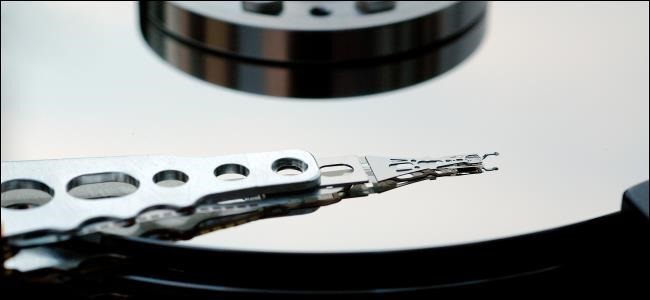
A bad sector on a hard drive is simply a tiny cluster of storage space — a sector — of the
hard drive that appears to be defective. The sector won’t respond to read or write requests.
Bad sectors can occur on both traditional magnetic hard drives and modern solid-state drives.
There are two types of bad sectors — one resulting from physical damage that can’t be repaired,
and one resulting from software errors that can be fixed.
Types of Bad Sectors
There are two types of bad sectors — often divided into “physical” and “logical” bad sectors
or “hard” and “soft” bad sectors.
A physical — or hard — bad sector is a cluster of storage on the hard drive that’s physically
damaged. The hard drive’s head may have touched that part of the hard drive and damaged it,
some dust may have settled on that sector and ruined it, a solid-state drive’s flash memory
cell may have worn out, or the hard drive may have had other defects or wear issues that caused
the sector to become physically damaged. This type of sector cannot be repaired.
A logical — or soft — bad sector is a cluster of storage on the hard drive that appears to not be
working properly. The operating system may have tried to read data on the hard drive from this
sector and found that the error-correcting code (ECC) didn’t match the contents of the sector,
which suggests that something is wrong. These may be marked as bad sectors, but can be
repaired by overwriting the drive with zeros — or, in the old days, performing a low-level
format. Windows’ Disk Check tool can also repair such bad sectors.
Causes of Hard Bad Sectors
Your hard drive may have shipped from the factory with bad sectors. Modern manufacturing
techniques aren’t perfect, and there’s a margin or error in everything. That’s why solid-state drives
often ship with some defective blocks. These are marked as defective and are remapped to some
of
the solid-state drive’s extra memory cells.
On a solid-state drive, natural wear will eventually result in sectors becoming bad as they’re written
to many times, and they’ll be remapped to the solid-state drive’s extra — or “overprovisioned” — memory. When the solid-state drive’s extra memory runs out, the drive’s capacity will start to drop
as sectors become unreadable.
On a traditional magnetic hard drive, bad sectors can be caused by physical damage. The hard drive
may have had a manufacturing error, natural wear may have worn part of the hard drive down,
the drive may have been dropped, causing the hard drive’s head to touch the platter and damage some of the sectors, some air may have entered the sealed area of the hard drive and the dust may have
damaged the drive — there are many possible causes.

Causes of Soft Bad Sectors
Soft bad sectors are caused by software issues. For example, if your computer suddenly shuts off
due to a power outage or a pulled power cable, it’s possible that the hard drive may have shut off in the middle of writing to a sector. In some cases, it’s possible for sectors on the hard drive to contain
data that doesn’t match their error-correction code — this would be marked as a bad sector.
Viruses and other malware that messes with your computer could also cause such system issues
and cause soft bad sectors to develop.
Data Loss and Hard Drive Failure
The reality of bad sectors brings home a chilling fact — even if your hard drive is otherwise working properly, it’s possible for a bad sector to develop and corrupt some of your data. This is another
reason why you should always back up your data — multiple copies are the only thing that will
prevent bad sectors and other issues from ruining your hard drive’s data.
When your computer notices a bad sector, it marks that sector as bad and ignores it in the future.
The sector will be reallocated, so reads and writes to that sector will go elsewhere. This will show
up as “Reallocated Sectors” in hard drive S.M.A.R.T. analysis tools like CrystalDiskInfo. If you had important data in that sector, however, it may be lost — possibly corrupting one or more files.
A few bad sectors don’t indicate that a hard drive is about to fail — they can just happen. However, if your hard drive is rapidly developing bad sectors,
it may be a sign that your hard drive is failing.
How to Check for and Repair Bad Sectors
Windows has a built-in Disk Check tool — also known as chkdsk — that can scan your hard drives
for bad sectors, marking hard ones as bad and repairing soft ones to make them usable again.
If Windows thinks that there’s a problem on your hard disk — because the hard drive’s “dirty bit”
is set — it will automatically run this tool when your computer starts up. But you’re also free to run
this tool manually at any point.
Other operating systems, including Linux and OS X, also have
their own built-in disk utilities for detecting bad sectors.

Bad sectors are just a reality of hard disks, and there’s generally no reason to panic when you
encounter one. However, you should always have backups of your important files just in case a
freak bad sector strikes — and rapidly developing bad sectors can certainly suggest oncoming hard
drive failure.
